
Speaking Topics
Upon invitation, Chris will frequently speak at churches, colleges, and conferences.

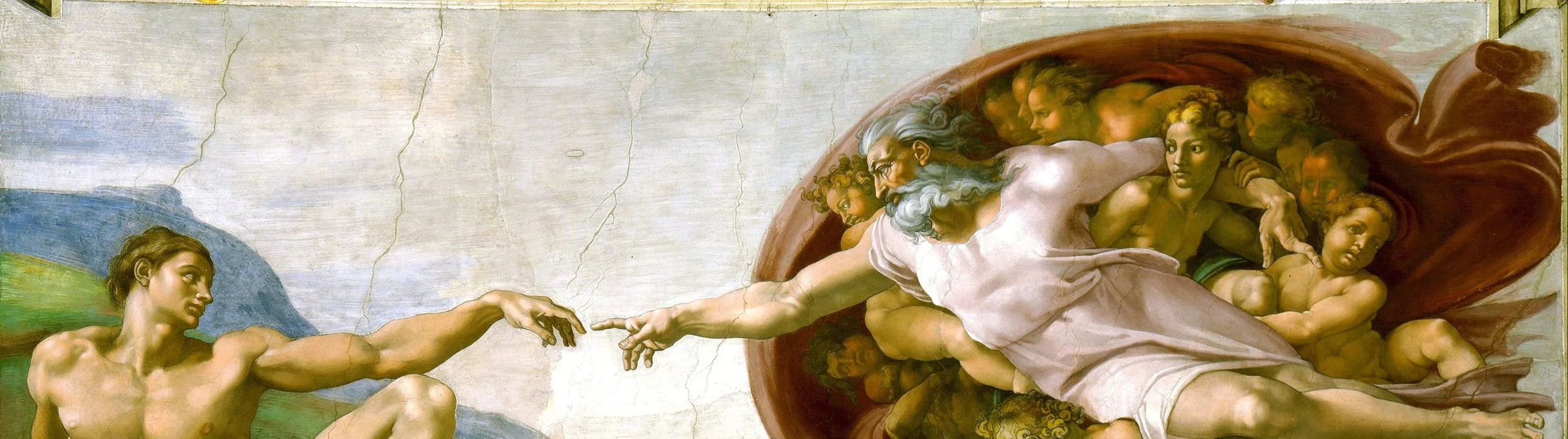
The Upside Down Kingdom
An Invitation to Beatitude
In our sinful world, we often struggle with anxiety, loneliness, and heartache. Everywhere we look, we see broken families and divided communities. In view of this, our session considers the Beatitudes to understand how God’s kingdom extends to everyday life, “on earth as it is in heaven.” This counterintuitive vision of the Father’s world is the “blessed” life in Christ that God intends for his people—not just in the future, but here and now.
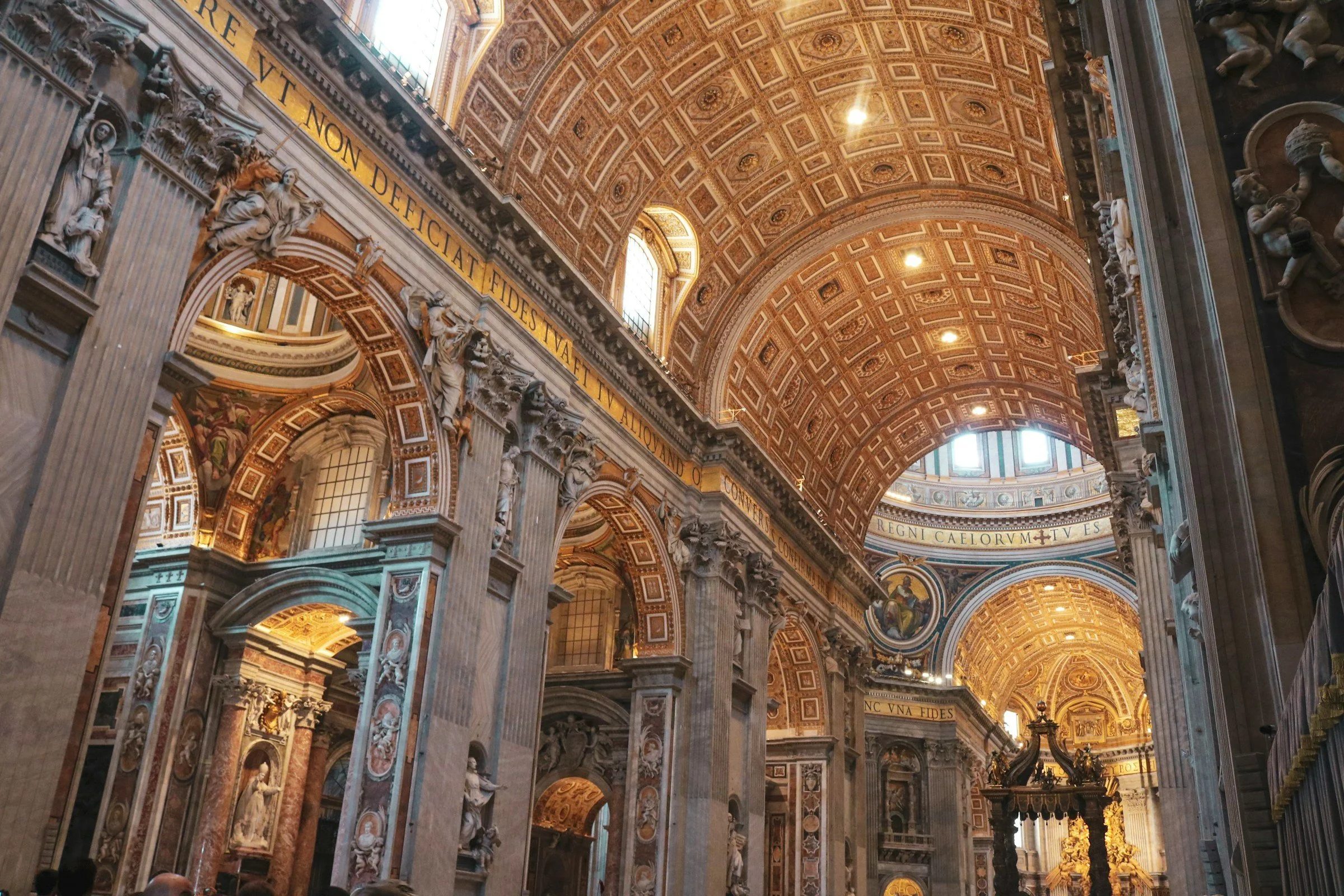
Why Do Protestants Convert?
Understanding and Responding to the Catholic and Orthodox Appeal
In recent years, a notable number of Protestant pastors, scholars, and lay leaders have converted to Roman Catholicism and Eastern Orthodoxy. Many of them cite a lack of doctrinal, historical, and liturgical substance as the reason for their departure. Drawing on research from my book, Why Do Protestants Convert? (co-authored with Brad Littlejohn), this session disentangles the reasons and attendant circumstances of this movement. After acknowledging the legitimacy of these concerns, we contend that historic Protestantism has the resources for a faithful and constructive response.
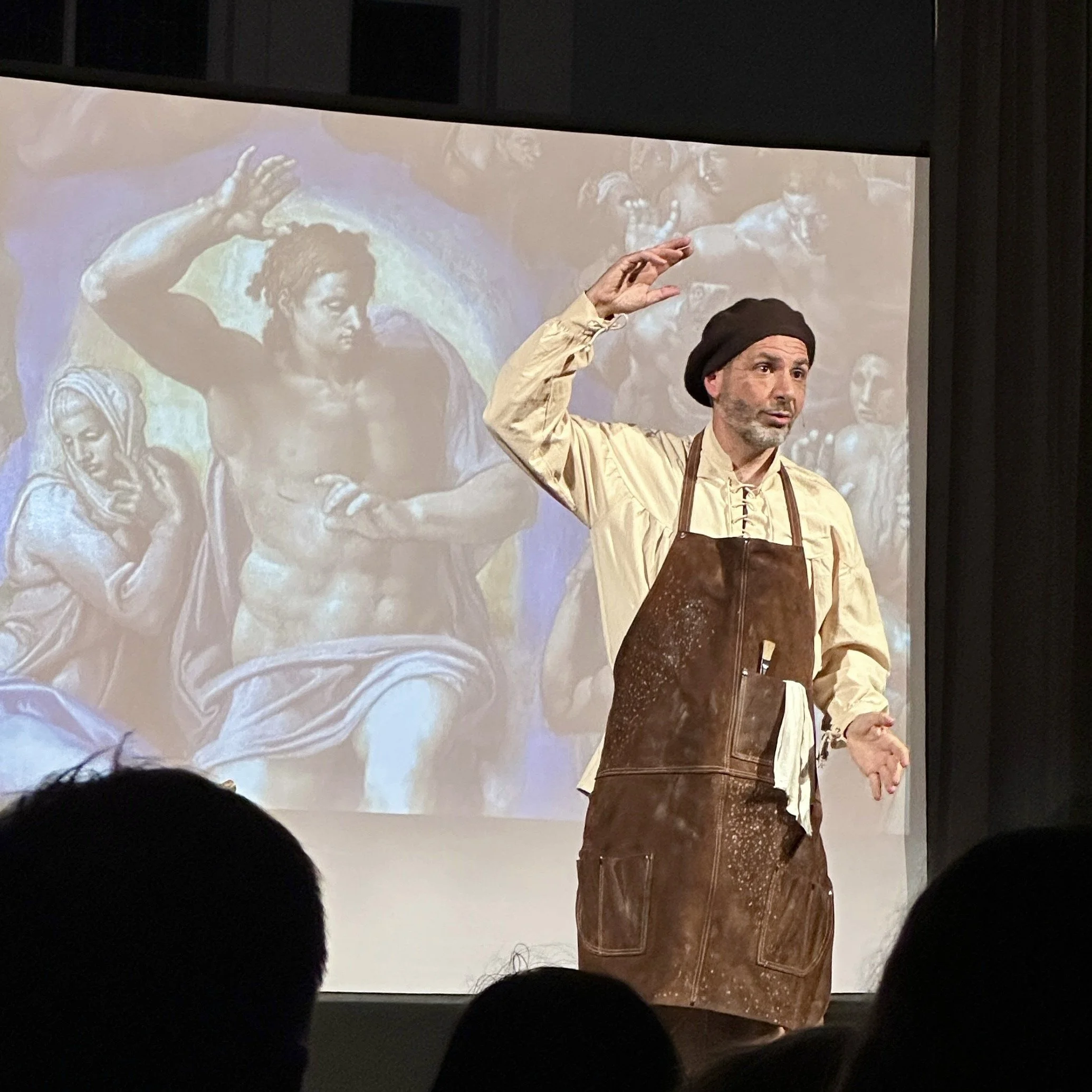
Michelangelo: A Life
The Untold Story of Michelangelo’s Spiritual Awakening in the Italian Reformation
This dramatic monologue will transport you to Renaissance Italy to discover Michelangelo anew—an artist wrestling with his faith, discovering Luther’s revolutionary gospel, and finding freedom from the alienation and shame that tormented his soul. Through Michelangelo’s eyes, we witness the power of the gospel to liberate even the most celebrated genius of his age and find our own struggles with guilt and inadequacy reflected in his story.
What Was the Protestant Reformation?
What Is Its Enduring Significance?
The sixteenth-century Protestant Reformation was fundamentally a movement of gospel renewal that transformed the church and broader society. As men and women returned to Scripture to rediscover God’s redemptive promises, contemporaries spoke of “another Pentecost” and “light after darkness.” Five centuries later, these promises still have power to ignite renewal—if we learn to apply them wisely. This session explores how to appropriate the Reformation legacy for our own moment, bringing theological clarity and Christian charity to bear on the challenges we face today.
The Benefit of Christ
Grace That Transforms
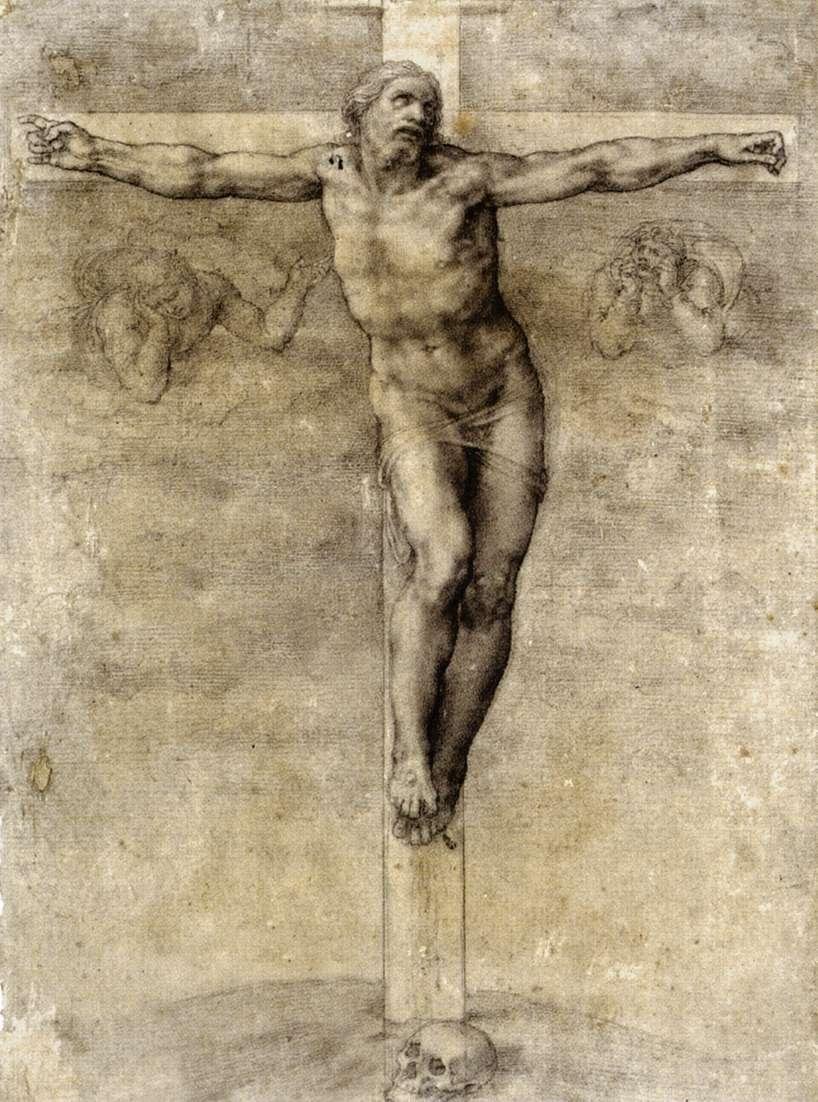
How do we hold together God’s free grace and the call to holy living? During the sixteenth-century Italian Reformation, a remarkable book emerged that addressed this very problem: Il Beneficio di Cristo (The Benefit of Christ). Written by evangelical reformers in Catholic Italy, this work offered wisdom on how the gospel liberates us from the burden of earning God’s favor while simultaneously empowering us to live up to our calling. This session explores the timeless message of the Beneficio so that we might cherish the gift of salvation, even as we work out our faith with fear and trembling.

Embodying the Gospel
Because God has given his Church the greatest message in the world, we, of all people, should be the clearest and most compelling communicators. Unfortunately, due to a dearth of attention and training, most evangelicals are unable to clearly articulate their faith. According to a recent National Barna Survey, only fifty-five percent of American adults who identify as “Born Again” have actually shared their faith in the last twelve months. Among them, those who feel competent in doing so are miniscule. This session, in addition to clarifying the nature and purpose of gospel outreach, seeks to help us relate the message of Christ in ways that are winsome, relevant, and compelling.